Managing Saskatchewan Farmland from Afar: Leases, Tenants, and Reducing Risk
Author
Dallas Pike
Date Published
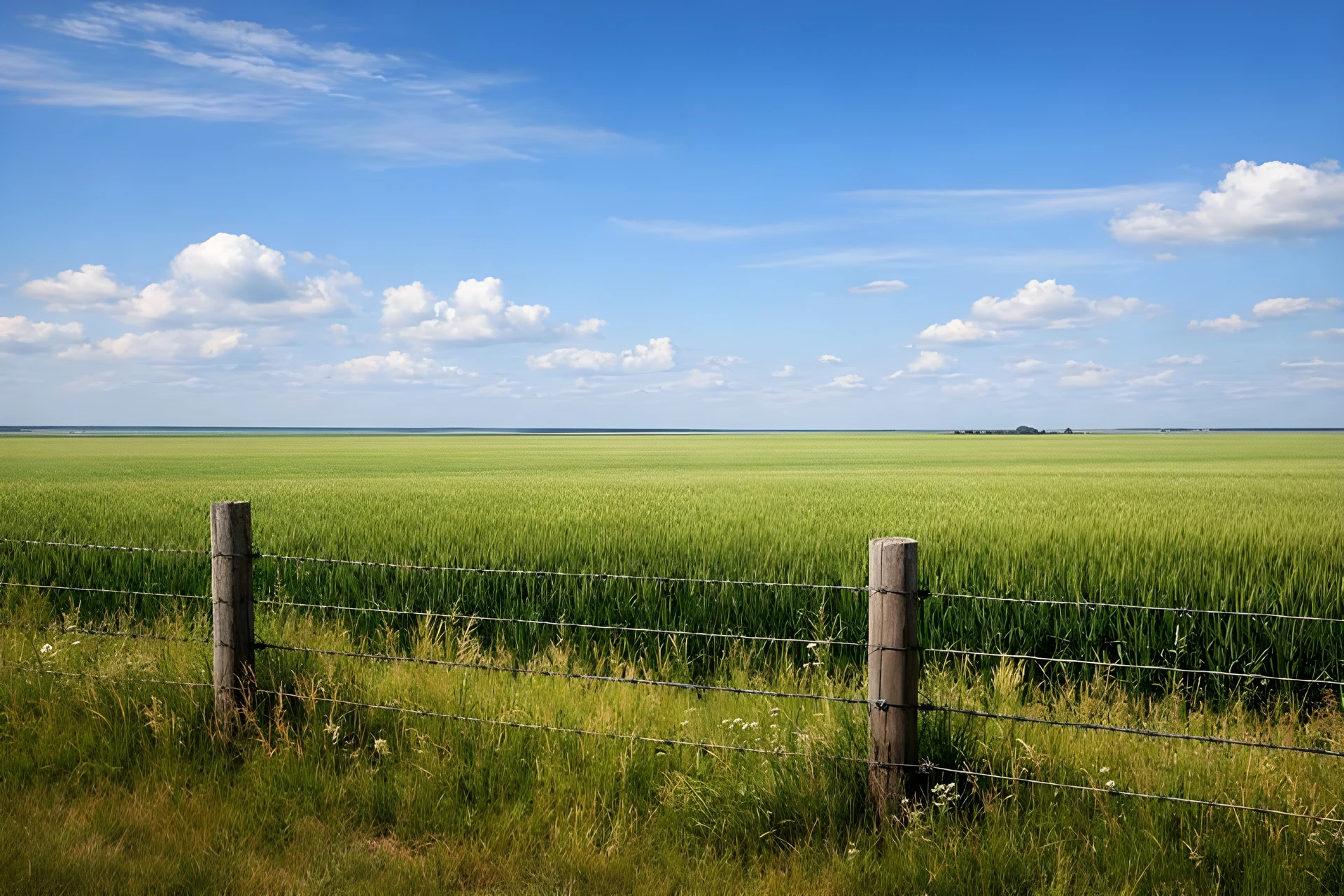
Owning farmland in Saskatchewan while living somewhere else can be a rewarding investment, but it also creates a unique challenge: you rely almost entirely on someone else to care for the property.
Most absentee owners I work with share similar concerns. Is the rent fair? Is the tenant taking care of the farmland? Is the lease structured properly? And if something goes wrong, how would they even know?
Over the years, I’ve helped many owners across southern Saskatchewan navigate those exact questions. With the right lease structure, clear communication, and a bit of oversight, managing agricultural property from a distance can remain relatively straightforward while still protecting the long-term value of the land.
Here are a few things I encourage absentee owners to pay attention to.
Start with a Strong Lease Agreement
A clear written lease is the foundation of any well-managed property. When expectations are properly documented, misunderstandings become far less likely.
A solid agreement should outline the basics: how long the term lasts, when rent is due, who is responsible for maintenance, and what happens if either party wants to terminate or change the arrangement.
Some key points worth including are:
- Length of the lease term
- Annual rent amount and payment deadlines
- Weed control and general maintenance responsibilities
- Subleasing restrictions
- Access rights for the owner
- Default and termination provisions
Handshake agreements still exist in rural communities, but they tend to work best when both parties are nearby and see each other regularly. For absentee owners, a properly written lease provides clarity and protection for everyone involved.
Review the Lease Before Renewing
Many rental agreements roll forward automatically if neither party gives notice. While that makes things easy administratively, it also means years can pass without anyone reassessing whether the arrangement still makes sense.
One of the most common questions owners ask is how much their farmland should rent for. This is not an easy or quick answer as rental rates vary widely depending on soil quality, farming efficiencies, and local demand.
Before renewing a lease, it’s worth stepping back and asking a few simple questions. Is the rent still consistent with the local market? Has the tenant maintained the property well? Does the agreement still align with your long-term plans for the land? If a sale is on the horizon, a one-year renewal keeps your options open.
Even when everything is working smoothly, a periodic review helps ensure the arrangement continues to serve both parties.
The Tenant Becomes Your Eyes on the Property
When you live hundreds or even thousands of kilometres away, the tenant effectively becomes the day-to-day steward of the property. Most farmers take that responsibility seriously, but owners should still stay informed about how the land is being managed.
That doesn’t necessarily mean frequent travel. Many owners simply ask for occasional updates, photos during the growing season, or confirmation of seeded acreage through documents like the SCIC Seeded Acreage Report.
It’s also worth paying attention to the overall condition of the fields. Responsible crop rotation, proper weed control, and good water management all play a role in maintaining soil productivity over the long term. Even small issues can compound if they go unnoticed.
Communication Prevents Most Problems
In my experience, tenant issues rarely start with bad intentions. More often they begin with unclear expectations or a lack of communication.
Maintaining a consistent line of communication is particularly important. Small administrative habits can make a big difference. For example, sending invoices for the rent 30 days in advance helps establish clear payment deadlines and keeps the arrangement professional.
It’s also helpful to discuss any planned improvements to the property ahead of time, whether that involves water management, fencing, or other changes. Addressing questions early tends to prevent misunderstandings later.
Keep Good Records
Good documentation is one of the simplest ways to reduce risk when managing agricultural property remotely.
Keeping copies of signed leases, rent payments, tax notices, and production documentation provides a clear record of the arrangement. Seeded acreage reports, when available, can also help verify how the land is being used each year.
These records become especially valuable if ownership changes, if the property is refinanced, or if a decision is made to sell in the future.
When a Second Set of Eyes Can Help
For some owners, it can be helpful to have someone local periodically review their lease structure, rental rate, or tenant arrangements.
From time to time, owners ask me to look at their current lease to ensure everything still aligns with local market conditions and that the agreement is properly protecting their interests. Often, it’s simply a matter of confirming that the arrangement is still working as intended.
Having someone familiar with the regional market can provide peace of mind — particularly when the owner lives far away from the property.
Final Thoughts
Agricultural land can be a stable and rewarding long-term investment, even when you don’t live nearby.
A well-structured lease, periodic reviews, open communication with the tenant, and organized documentation all help reduce risk and protect the productivity of the property.
For absentee owners, a little structure goes a long way toward ensuring the land continues to perform well for years to come.
Written by Dallas Pike
Dallas grew up on a family farm near Lloydminster and has spent over 20 years working with farmland owners across Saskatchewan on sales, acquisitions, and property management. He has assisted clients with more than $500 million in farmland transactions, with strategic expertise in investment procurement, lease structures, tenant oversight, and the protection of long-term land value for absentee owners.
Questions? Contact Dallas